The History and Present Inflation Trends in Panama
Last Updated on October 7, 2026 by Retire in Panama
Overview
Throughout the years, Panama’s economy has undergone phases influenced by advancements and external circumstances. Inflation, a gauge, has played a significant part in shaping the country’s economic story. This article dives into the backdrop and contemporary patterns of inflation in Panama, offering insights into the factors guiding these shifts.
Historical Background of Inflation in Panama
Panama’s past is characterized by its evolution from an area in the early 1900s to one of Latin America’s most vibrant economies. The construction of the Panama Canal, finalized in 1914, marked a moment that notably boosted the country’s economy through facilitating commerce.
Across much of the 20th Century, Panama maintained low inflation rates, with a few peak years, particularly when compared to other Latin American nations. This consistency was attributed mainly to the nation’s decision to peg its currency to the U.S. Dollar in 1904. This practice has aided in anchoring inflation expectations and upholding price stability.
Inflation Patterns from the 20th Century to the Early 21st Century
In the latter part of the 20th Century, Panama experienced economic growth driven by increased canal use, the growth of the financial district in Panama City, and the development of the Colón Free Trade Zone. Despite shocks like the oil crises in the 1970s and worldwide recessions, which caused temporary spikes in inflation, overall inflation remained low due to the stable economy.
I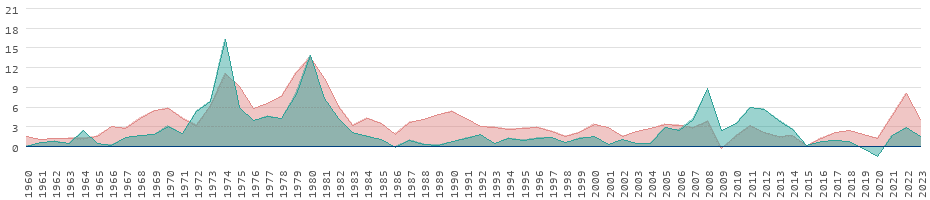
Entering into the 21st Century Panama emerged as a financial and logistical center in its region attracting substantial foreign investments. The modernization efforts for the canal culminated in its expansion completed in 2016 further propelling progress. Throughout this period inflation rates generally stayed moderate typically hovering between 1% and 3% annually in line with trends seen in U.S. Inflation rates.
Current Inflation Trends in Panama
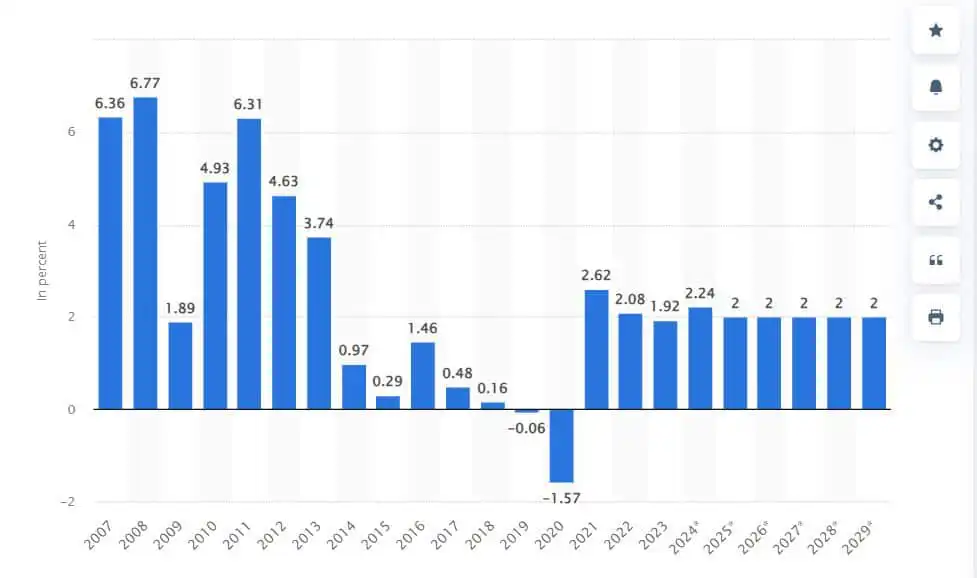
In recent years, fluctuations in Panama’s inflation rates have been influenced by global factors. The COVID-19 outbreak in 2020 significantly affected the economy, and Panama was not spared from its consequences. The country saw a decline in its GDP by 17% during the year due to the impact of the pandemic. Initially, inflation was kept in check as demand decreased and energy prices fell.
Annual inflation rate of end of period consumer prices of Panama from 2007 to 2029

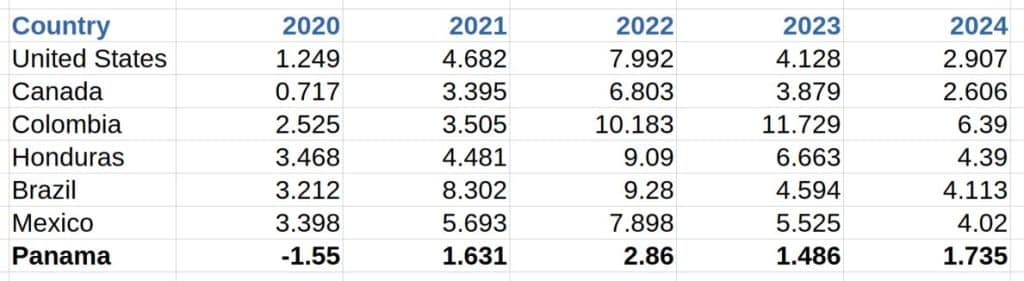
As the global economy started to bounce back in 2021, inflation began to rise around the world due to disruptions in supply chains, increasing commodity costs, and higher demand for goods and services. Panama’s inflation remained comparatively moderate compared to the United States, Canada, and its neighboring nations.
To counter the mounting inflation pressures, the government took steps to stabilize prices. These measures included subsidies for fuel and food products and initiatives to enhance production. These efforts seem to be effective in controlling inflation in Panama.
Inflation Rate: A Global Comparison. The chart below includes the U.S., Canada, and a few countries in the Central and South American regions. To see all countries, view the source below.
Inflation Rate as a percentage by country and year.
In this next part of the article, I will discuss my view of living as an expat in Panama for almost 13 years and how inflation can be very different for expats compared to locals in Panama.
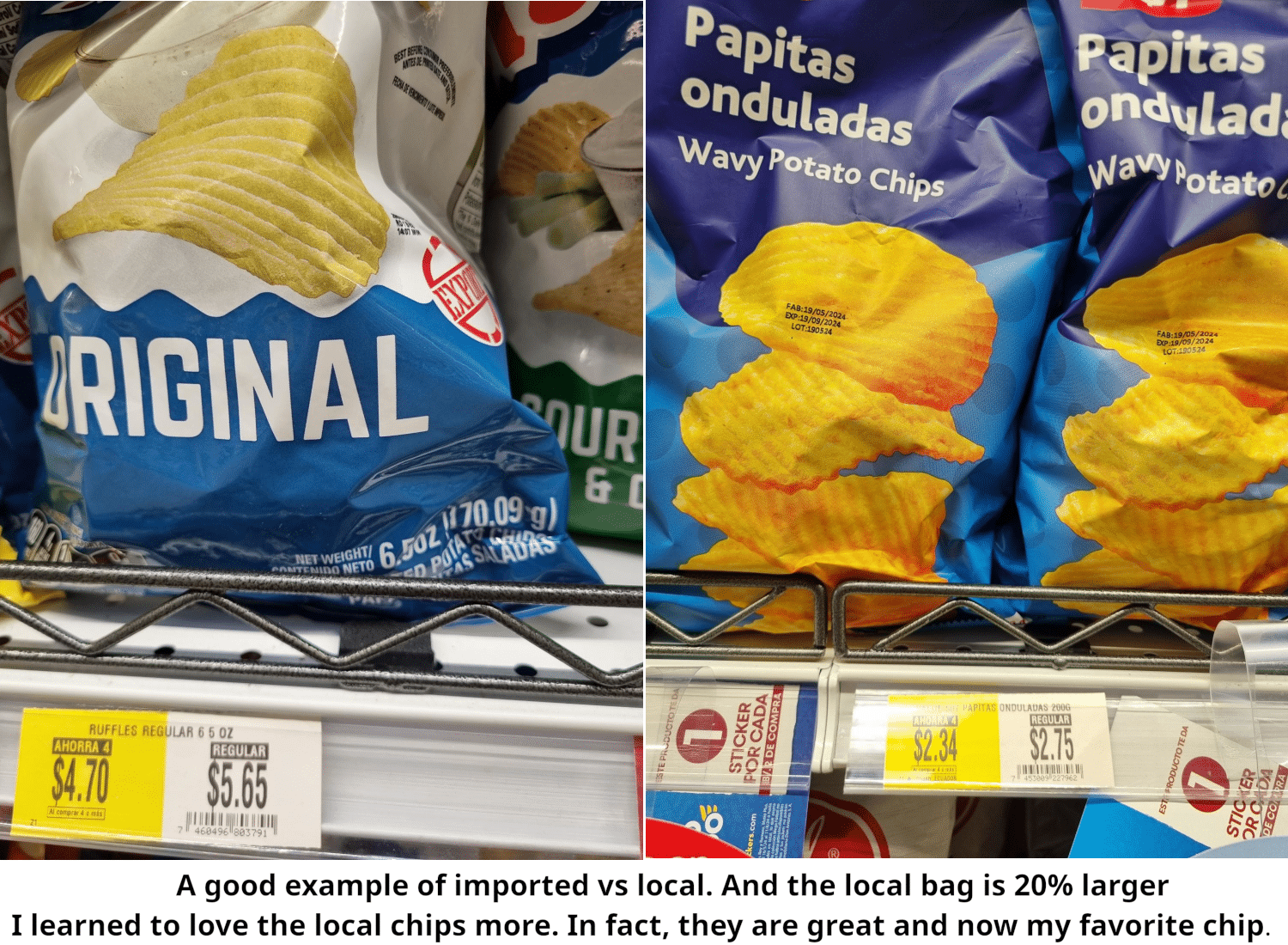
What you pay for goods in Panama is directly linked to your acclimation here. If you still require the exact brands you purchased before at home, many of those will be direct imports, and you will pay the same price they are back home, plus shipping here. If you are unwilling to give local brands a chance and make a switch, you will feel the inflation pinch more, as inflation has been a lot higher over the last five years in North America, Europe, and other parts of the world.
It is pretty easy to see if an item is a direct import. If the labeling in 100% in English, it probably is. If it is primarily in English, with a bit of Spanish, it could be, too, as the U.S. manufactures many products with some Spanish on them. If the labeling is 100% Spanish, with maybe an English catchphrase, then it is probably manufactured in Latin America.
Below are some examples of my recent trip to a grocery store to compare prices.
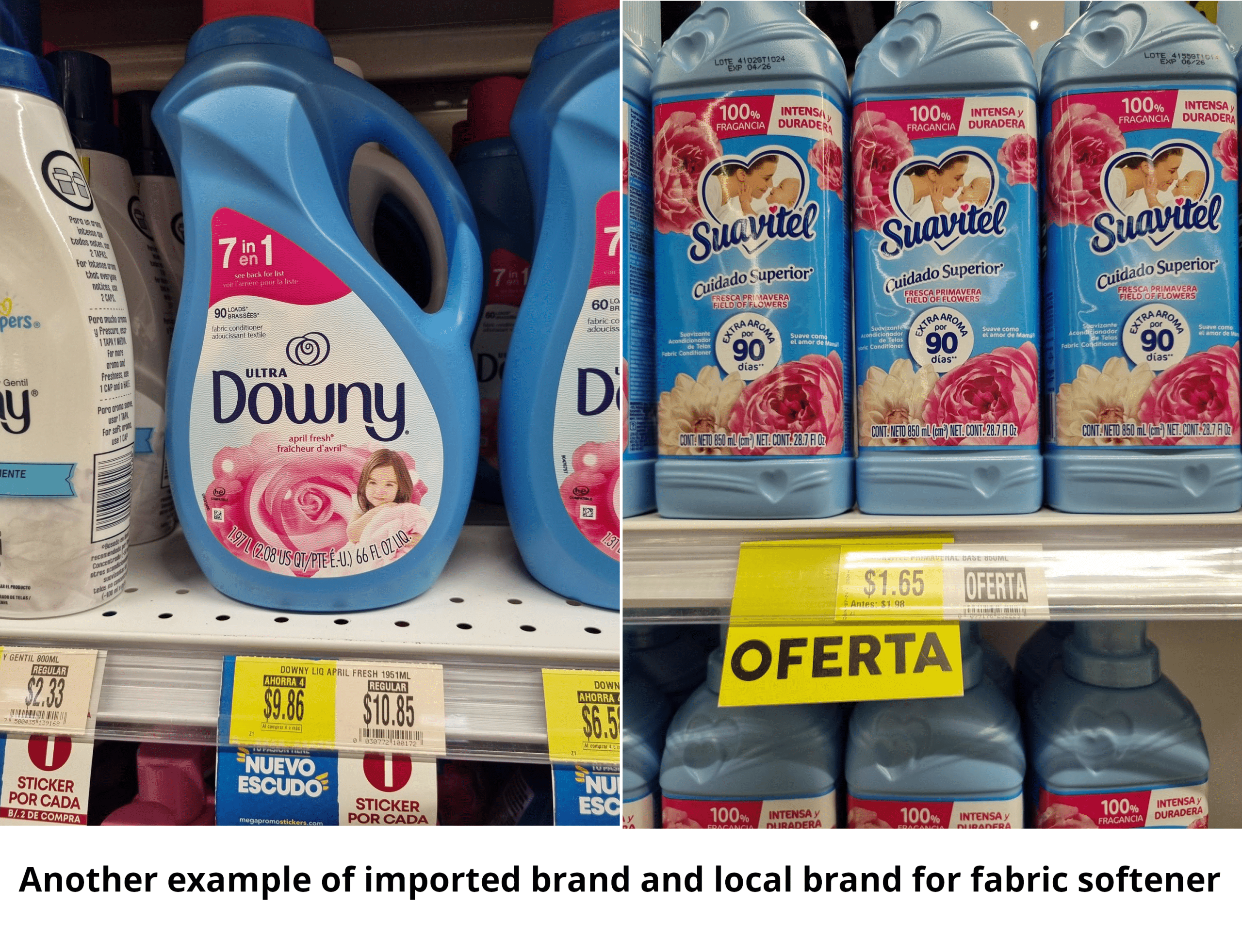


I live in a Panamanian home, and the rent has been the same for ten years. I shop primarily at local markets and use the grocery store for staple goods. I make a monthly trek to PriceSmart (Costco) for paper goods and other bulk goods. My total utility cost has remained about the same over the 13 years of living here, with some decreases in cell and internet and some increases in electricity. I can buy free-range eggs for $3 a dozen from locals at local markets, or I can pay $5 in a grocery store. Regular eggs in the grocery store are currently $1.90 a dozen.
I recently bought a big bag of Panama oranges from the local market for $5; it contained 37 oranges. (I make my own orange juice. I got 1.5 gallons of juice from this bag.) On my next trip to the grocery store, I checked the imported Florida oranges, and I could buy 7 for $5.
Regarding real estate in Panama, both rentals and buying are still relatively flat, but we are seeing a lot of price increases in the luxury market. If you look at rentals in Panam City and the beaches, there are great value now, even cheaper than it was 12 years ago. In 2014, I rented a two bed/two bath in Panama City in 2014 for $1150 a month. Today, that exact same apartment rents for $950 a month.
The average rental in Boquete for an expat today is probably about $1200 a month today, up from about $1000 a month 12 years ago, which is right in line with the inflation numbers over that time shown above. 12 years ago, condos and villas were rented in Valle Escondido (Chiriqui’s most prestigious and sought-after address) for between $1500 and $2000 a month. Today, they rent for between $1700 and $2200 a month.
We are seeing a much bigger increase in the luxury market in Panama, with closer to a 30% increase in rent and house prices in the last ten years, possibly because many more people with money are moving to Panama now. In the budget market, an entering class of houses is currently being built throughout the country. Here in Boquete, we are seeing developments that we think will be very popular with expats, with 1000 – 1500 square feet, two-bed/two-bath homes being built, and decent-sized yards in the $80,000 to $140,000 price range.
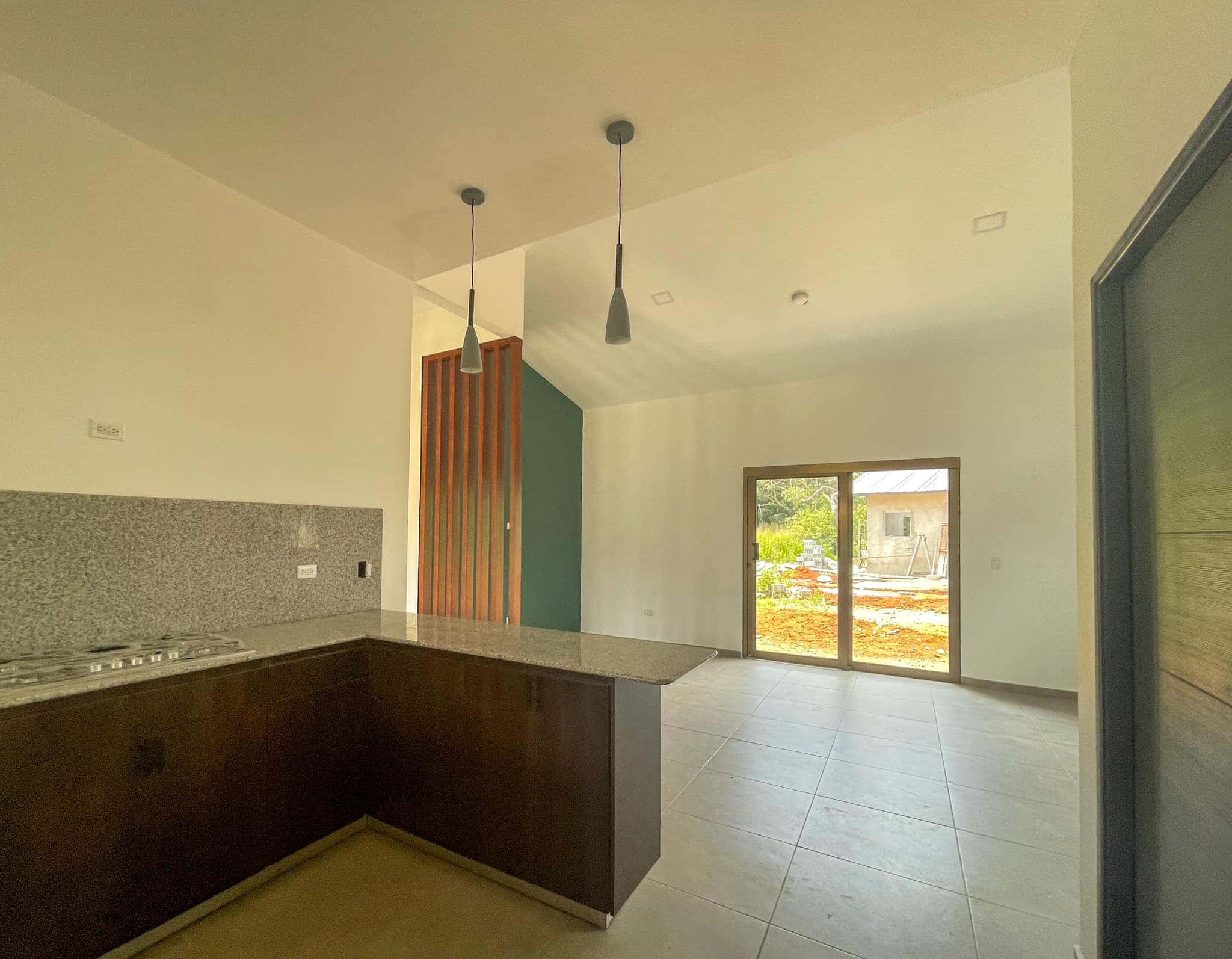
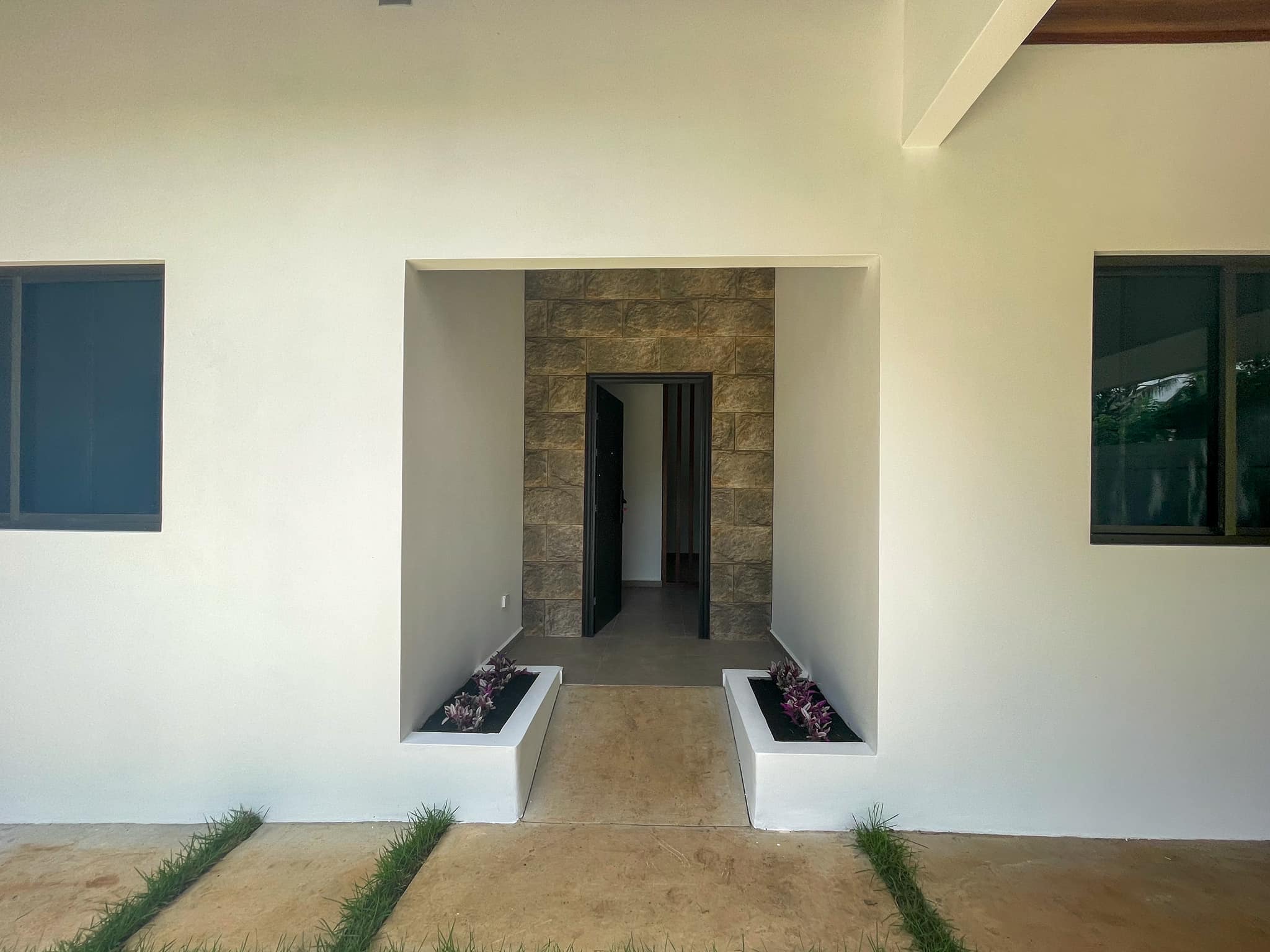
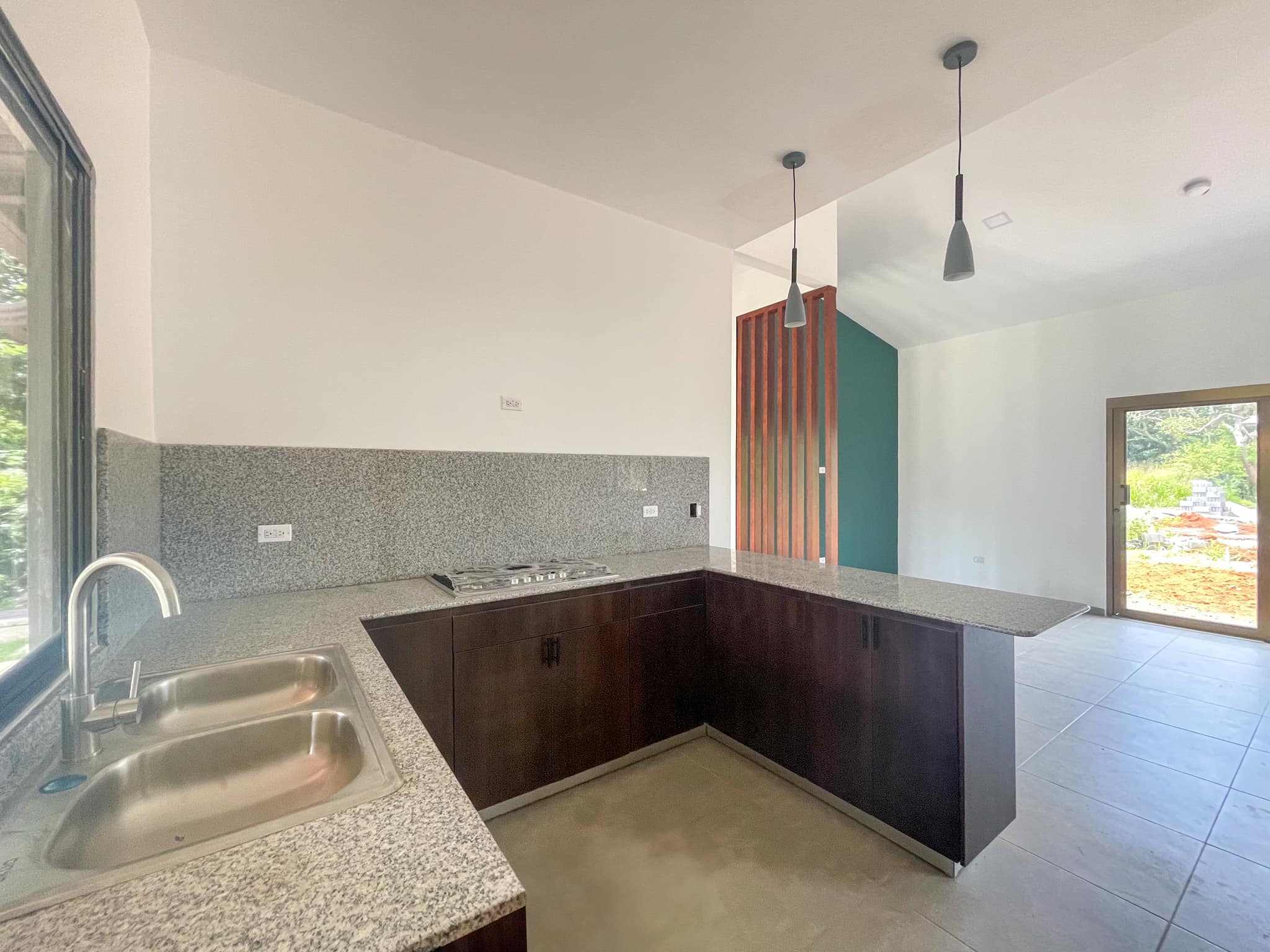
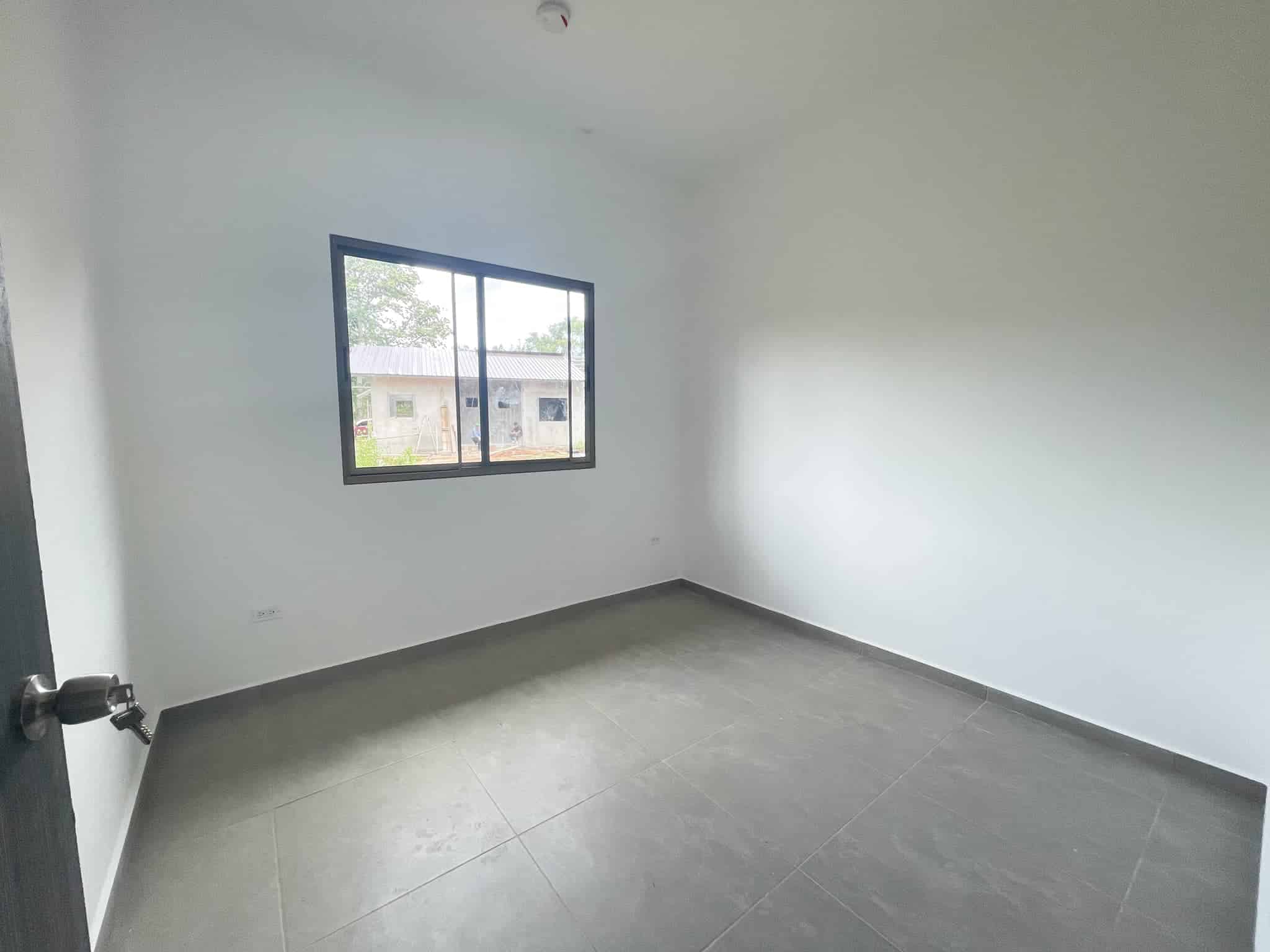
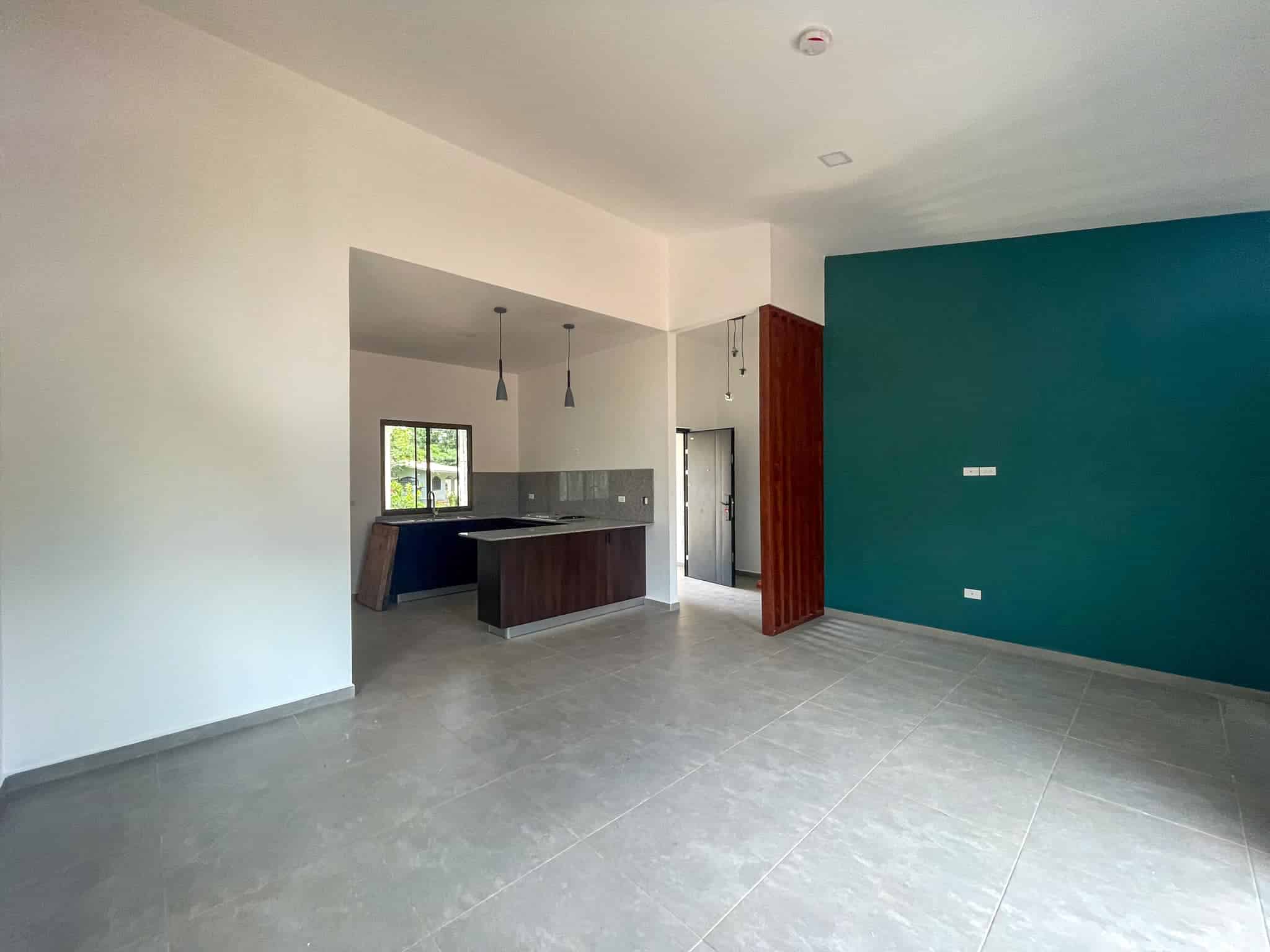
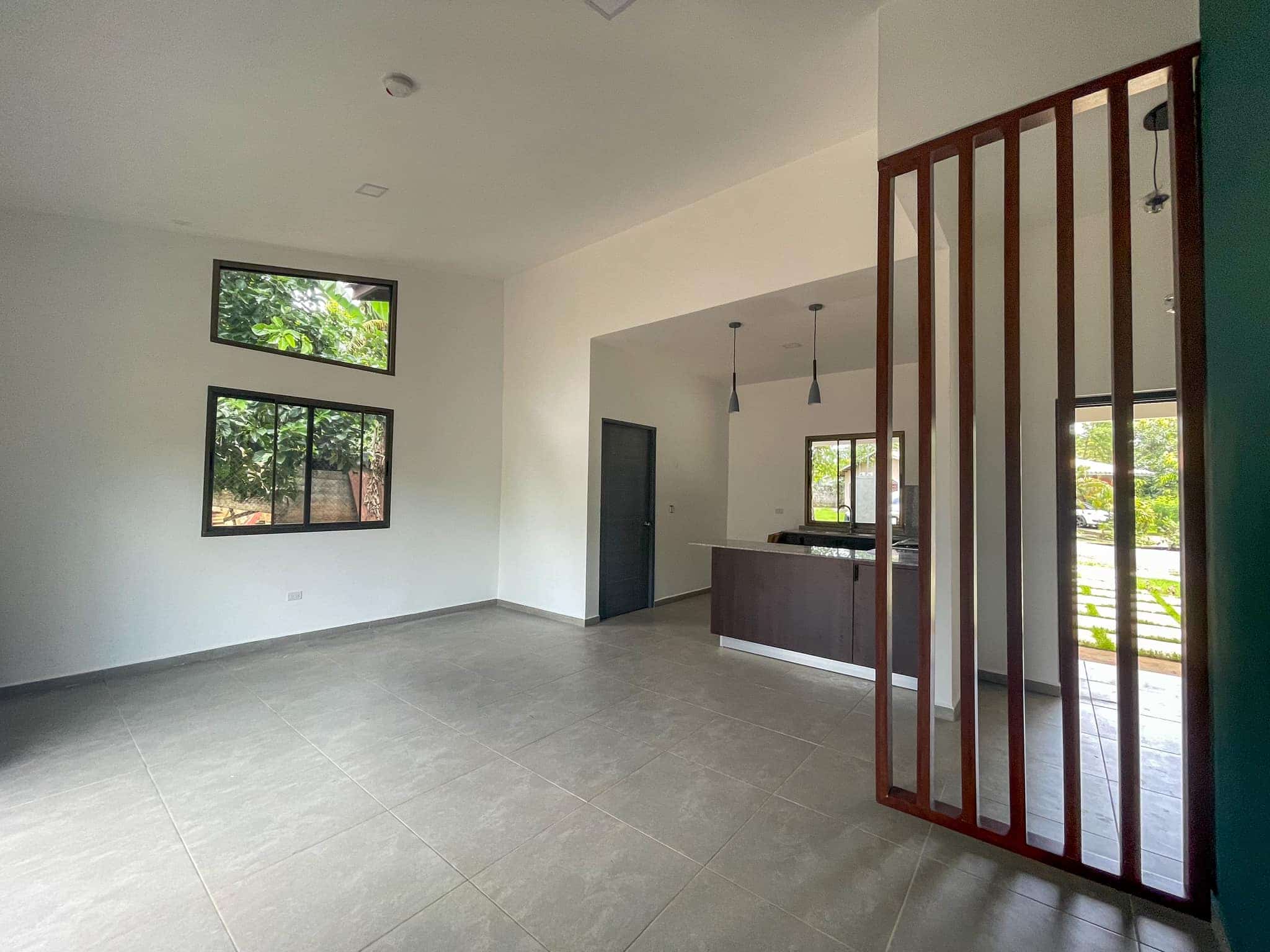
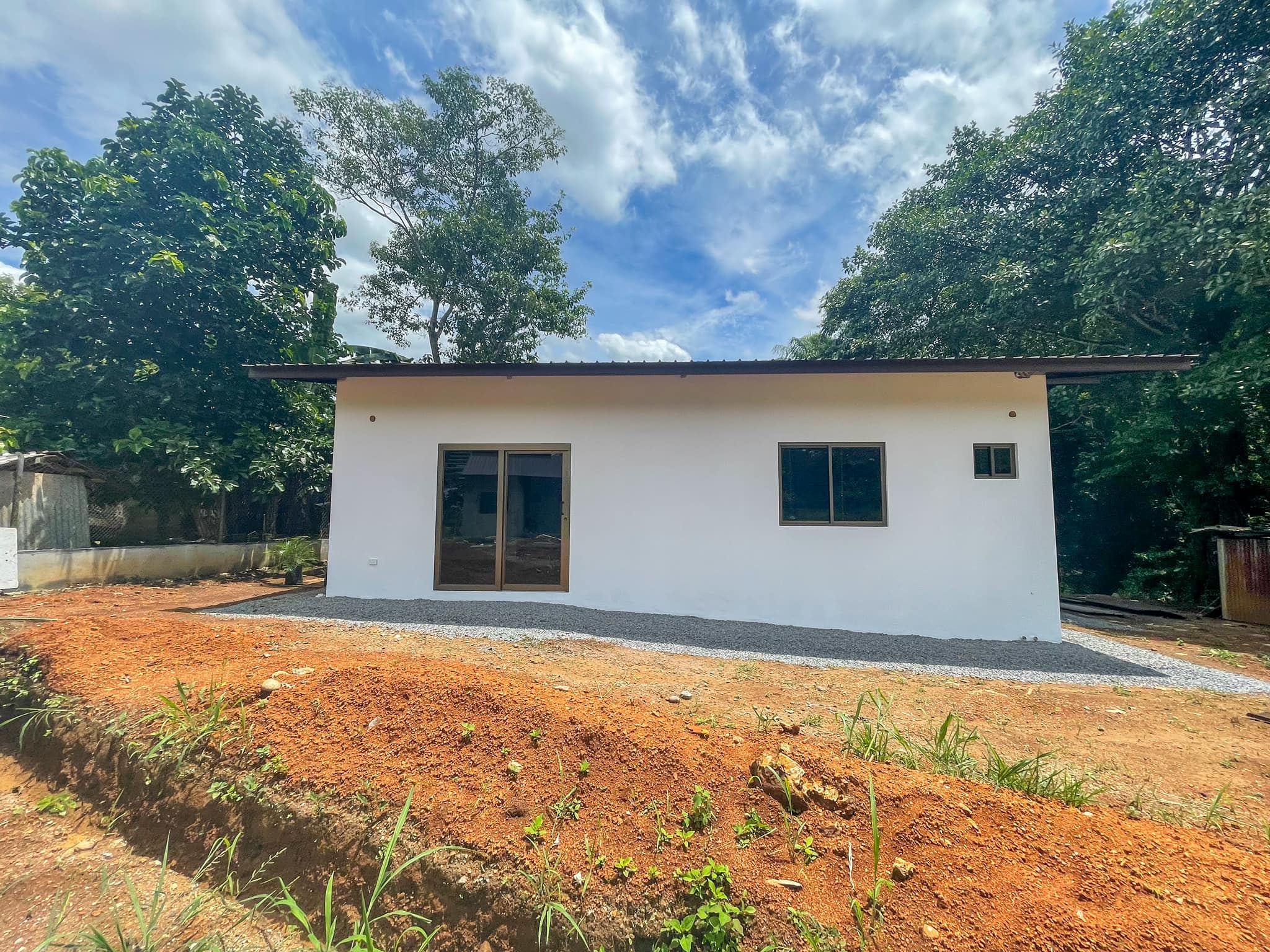
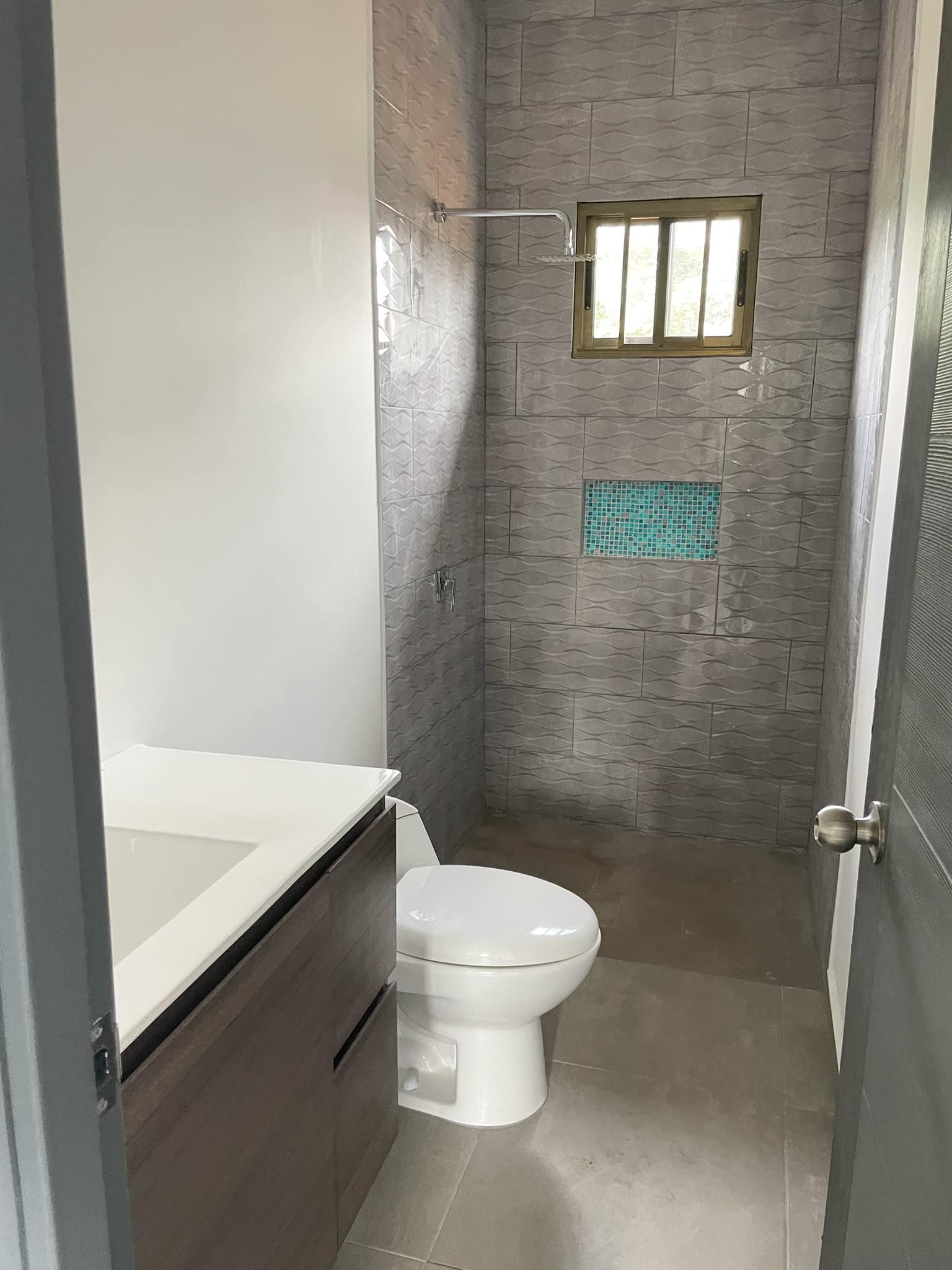
Let’s look at one of these new builds in David, Panama.
Property Details:
– Land Area:780 m² or 0.193 acres
– Construction Area: 121.0 m² or 1302.43 square feet.
– Two-bed/two-bath
– Master walk-in closet and ensuite
– Indoor laundry
– Covered parking for two cars.
– LED lighting, high ceilings
Asking price: $118,000
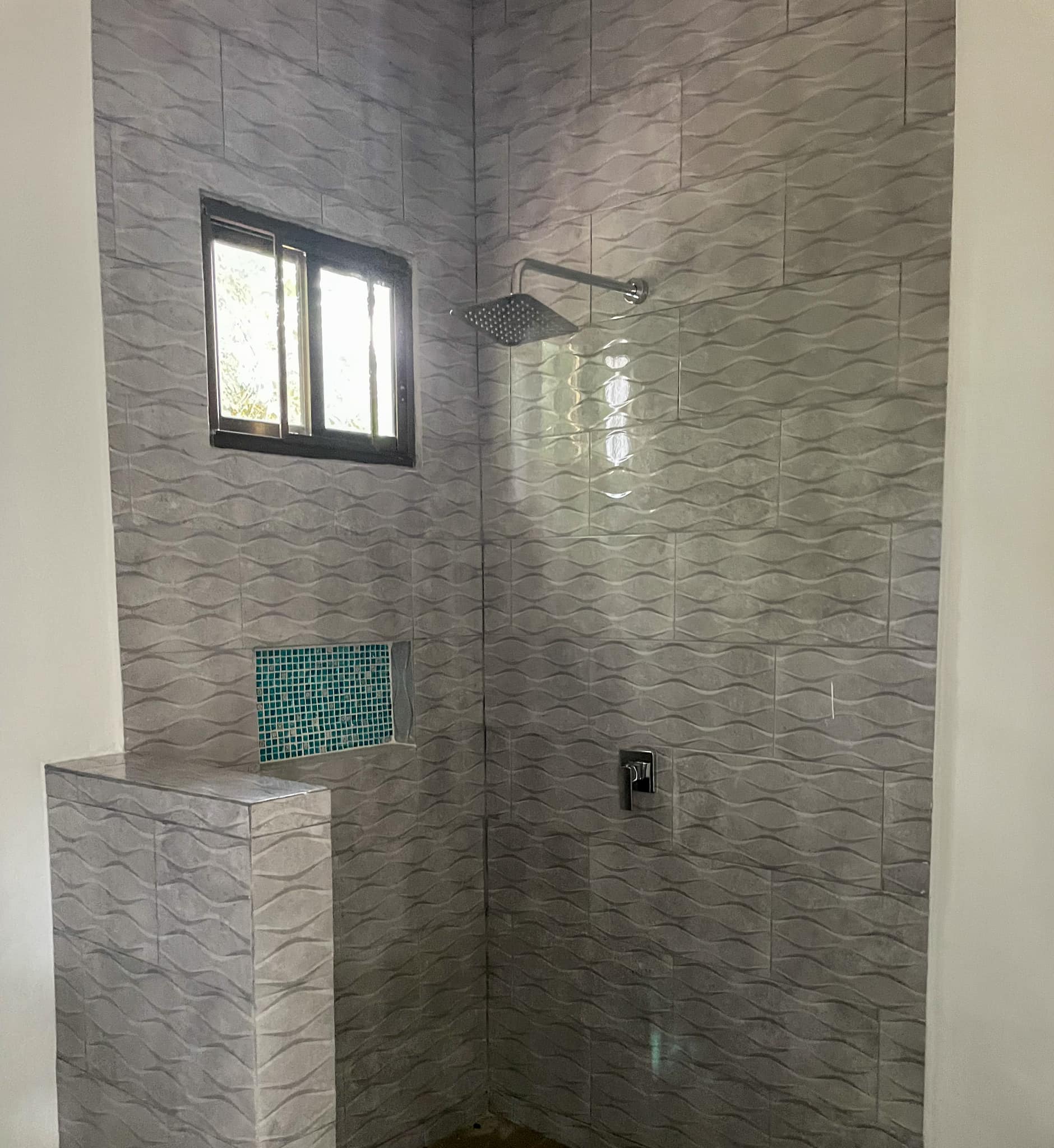
The thing you have to remember is that this is a Panama Built House. Most expats will add hot water, a dishwasher, and air conditioners, but for under ten grand, that could easily be accomplished. Taking the price of the land out, this house is being offered at a cost of $68/foot.
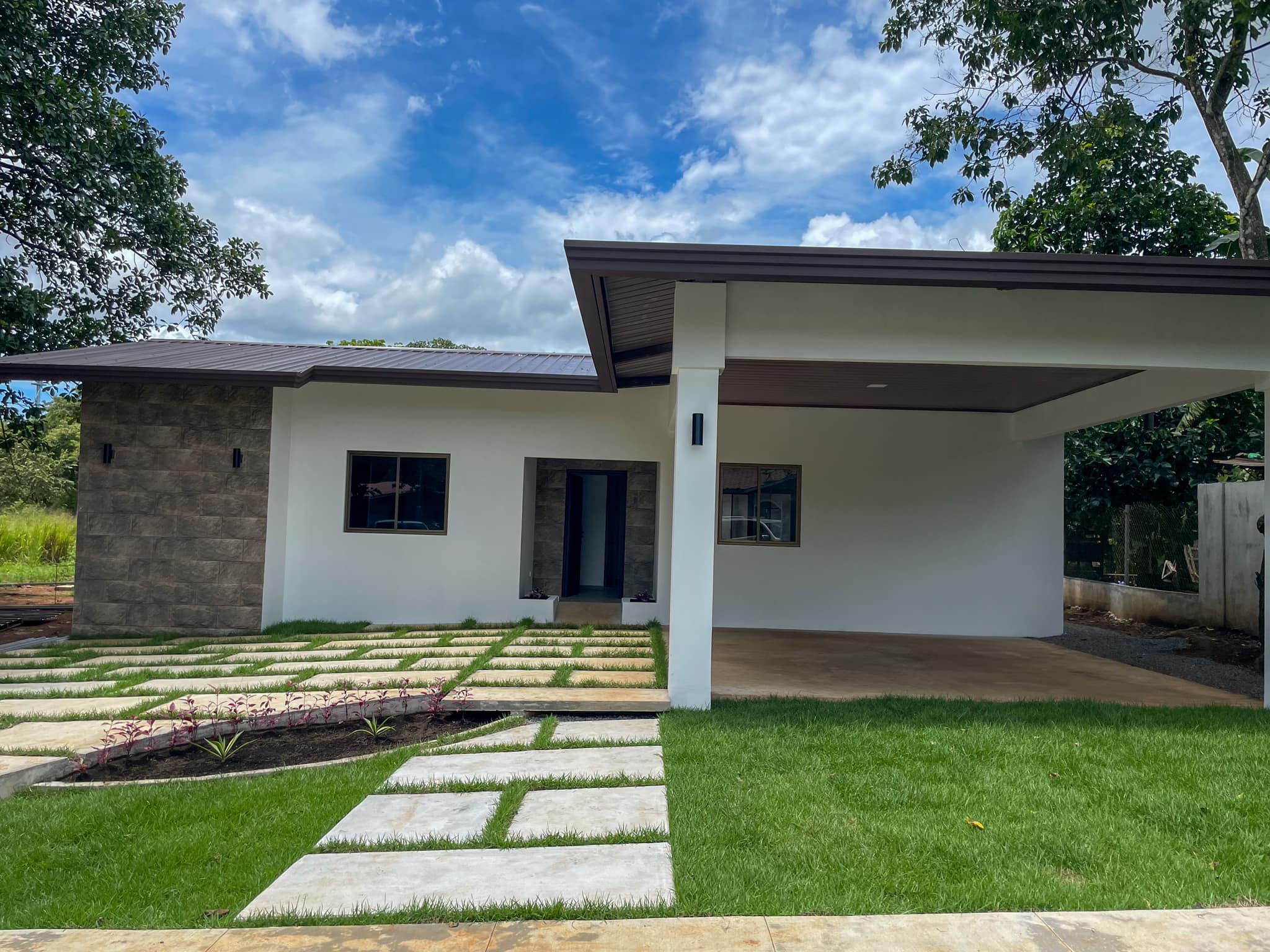
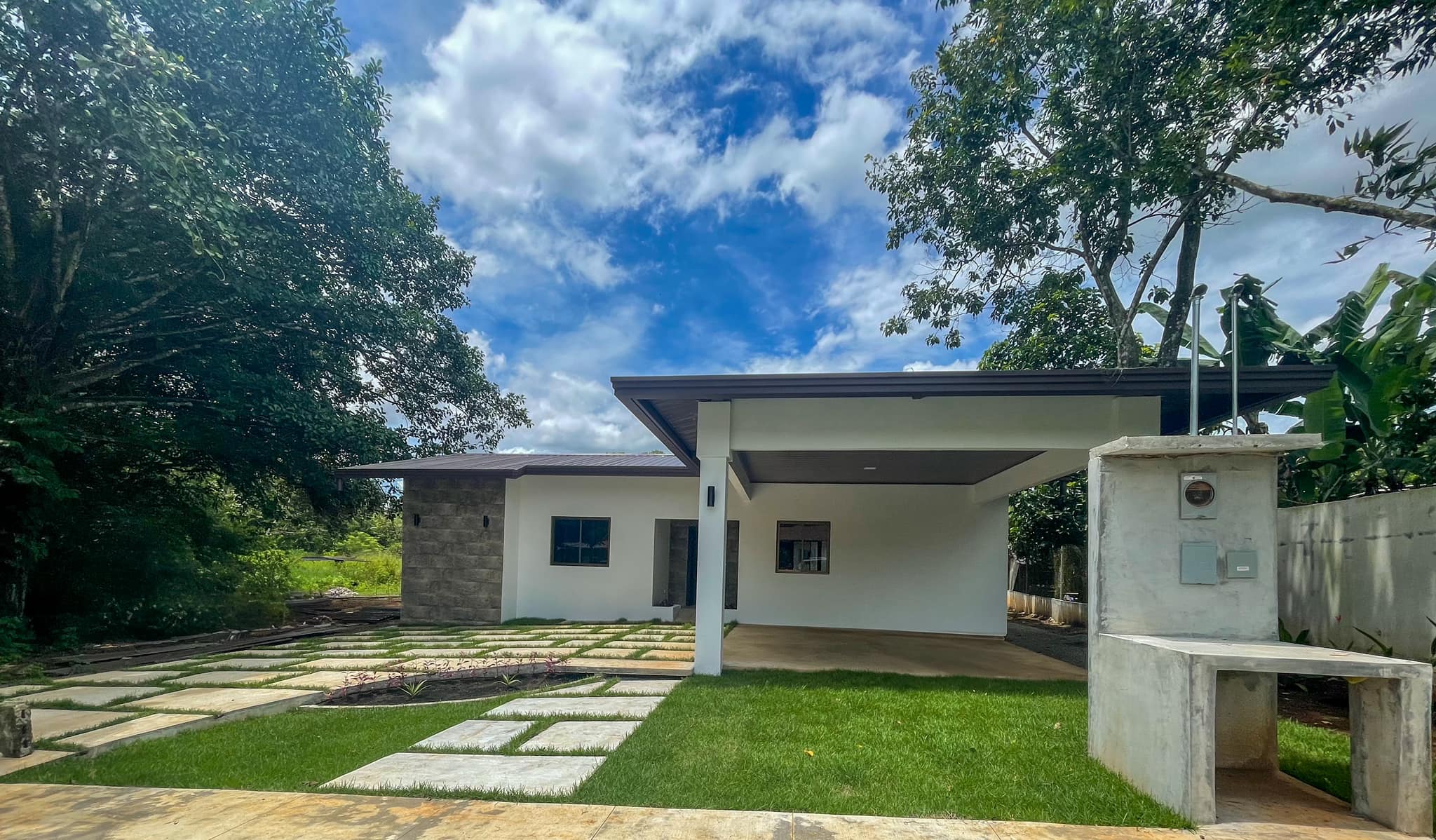
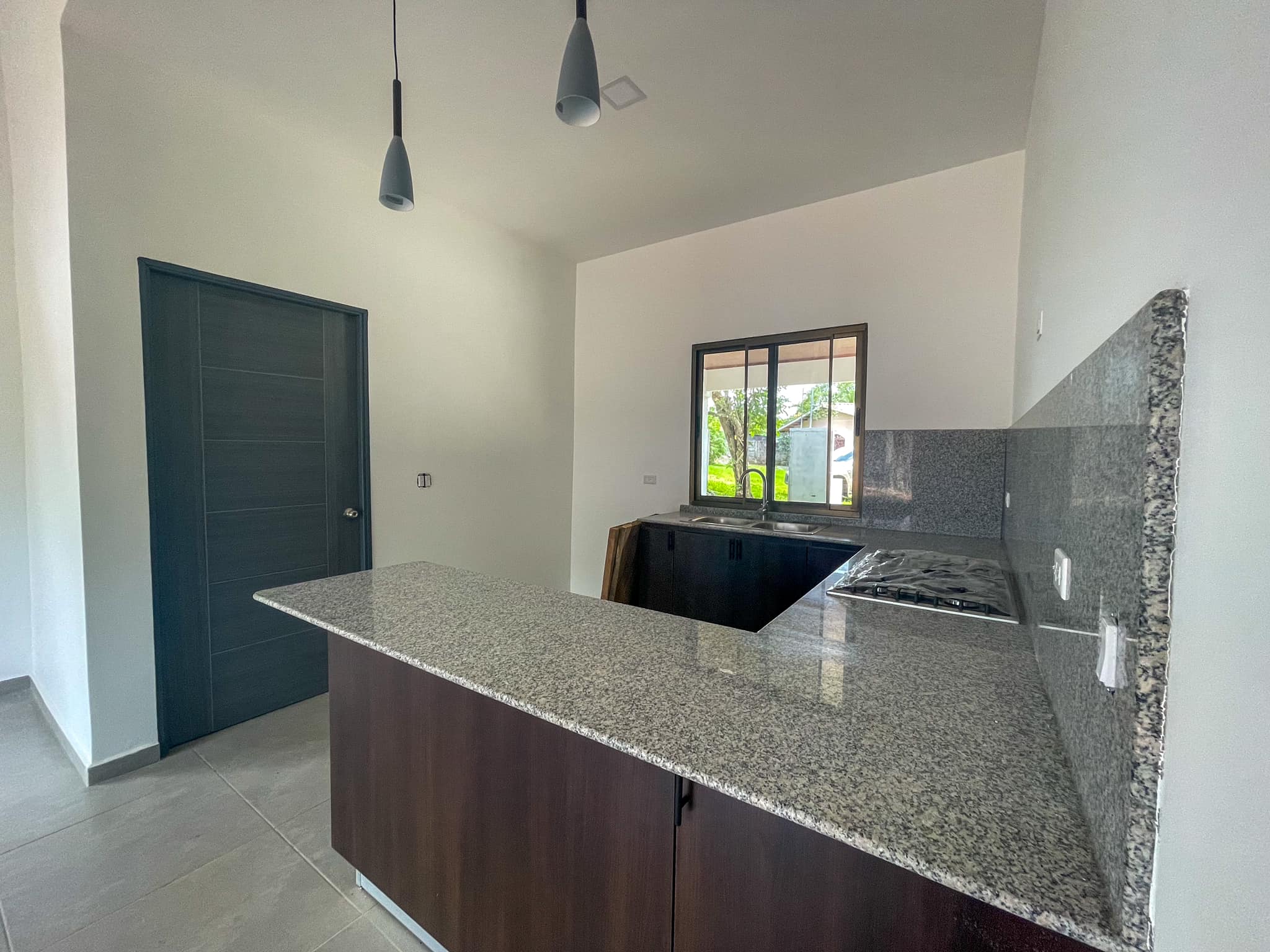


As you can see, Panama’s inflation is well under control, and you can live a better life here, especially if you are willing to make some changes in your buying habits.
We hosted a LIVE Q&A to discuss Panama’s economy today and Inflation in Panama. Watch Below.
It’s more than a tour… it’s an experience.