Move to Panama? What You Need to Know
Last Updated on August 16, 2025 by Retire in Panama
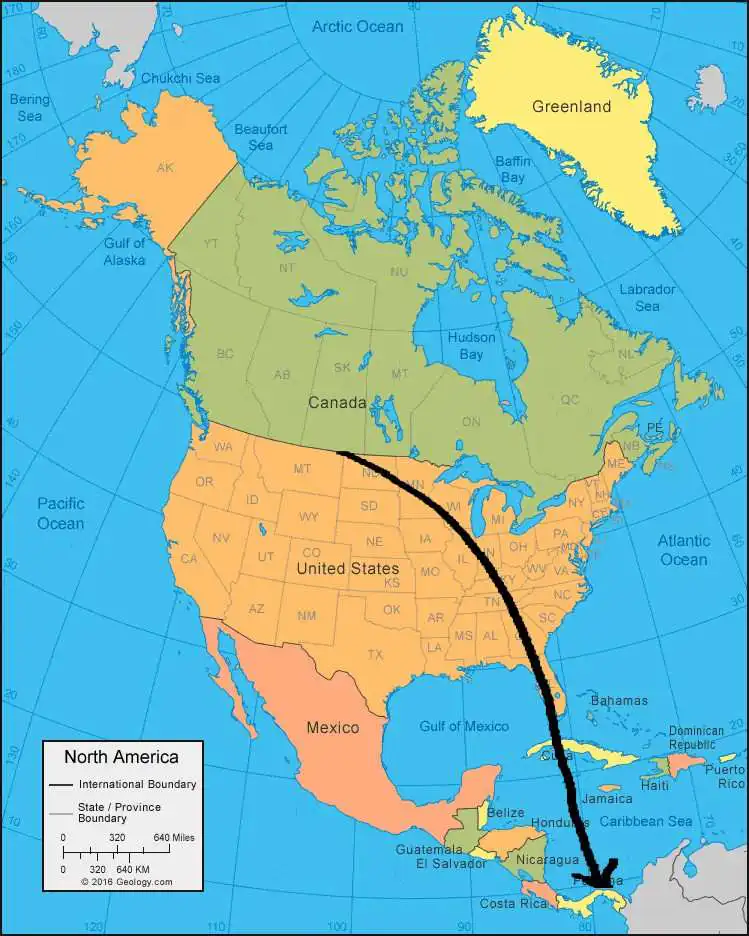
Panama is being increasingly scanned by those looking for a new life overseas—retirees in search of a warm, inexpensive paradise, remote workers chasing tropical sights with fast internet and fewer taxes, and families seeking a fresh start in a politically stable land. Strategically placed between North and South America, with all the modern services you find at home and open arms for foreigners, Panama allows you to live a life that’s more comfortable, more rewarding, and, yes, more fun.
If you’re considering moving to Panama, here’s a deep dive into what life in Panama is like and what you need to know before moving there.
 Why Choose Panama?
Panama combines natural aesthetic beauty, financial opportunity, and modern convenience. It is the most modern Central American country, with a first-world capital city featuring world-class dining, healthcare, and shopping. The country is also a major global player through the Panama Canal, which has kept its economy growing and diversified.
For those expats, Panama can be even more attractive because of:
- Political stability: With a democratically elected Government and peaceful power transitions, Panama has maintained its status as one of the most stable countries in the region in the 21st century.
- Tax benefits: Panama has tax-advantaged laws, especially for expats with foreign-earned income.
- Accessibility: Major airlines operate in Panama City daily from the U.S., Canada, and Europe, so you can easily come and go from your home country.
Moreover, the government has been actively courting foreign capital and newcomers, making it easier than ever for those moving to Panama to arrive and settle legally and comfortably.
Residency and Visa Options
Panama’s immigration rules are structured to lure foreign residents with options that appeal to people from different backgrounds. The system may be bureaucratic, but a good immigration attorney eases the journey of your move to Panama.
The following are the most popular visa choices:
Pensionado Visa: This is one of the best retirement visas in the world. You must demonstrate a monthly lifetime pension of a minimum of $1,000 (and $250 for each dependent). In exchange, you gain permanent residence and sizable discounts on everything from plane tickets to hotels, restaurants, medical care, leisure activities, and more.
Friendly Nations Visa: This visa has three options and is available to citizens of more than 50 “friendly” countries, including the U.S., Canada, the U.K., and most of Europe.
- Employment with an existing Panamanian company.
- $200,000 certified deposit in a Panama Bank for 3 years.
- Purchase of property in Panama of $200,000 or more.
The process starts with temporary residency and can become permanent after two years.
Digital Nomad Visa: Introduced in 2021, this visa permits remote professionals to live in Panama for 18 months. To qualify, you must prove a foreign income of $36,000 yearly or work for foreign clients or a foreign company. It is perfect for freelancers, consultants, or remote employees living overseas.
Other options include investor visas and self-economic solvency visas, each with its own financial or business criteria. Then there is a student visa, a Professional visa, marriage to a Panamanian, and more. Panama’s judiciary is confusing, so working with a reasonable local attorney is essential to avoid any delays or hiccups.
 Cost of Living
Panama compares favorably, in terms of cost of living, to North America and Western Europe—but how affordable you find it to live here will depend on your lifestyle and whereabouts.
In Panama City, where many expatriates take advantage of cosmopolitan ease, prices can also be higher. But you can still live in the capital without breaking the bank, at least relative to most large American cities. Even smaller towns – think Volcán or Las Tablas – can take those savings further and tend to be low on hustle and bustle. Larger expat communities like Coronado and Boquete, which seem to be the favorite of expats, will fall in between in cost savings.
Example Monthly Budget for a Couple in Panama City:
- Rent (1-2 bedroom apartment in a good area): $1,000–$1,500
- Utilities (electricity, water, gas, internet): $150–$350 (depending on electricity use)
- Groceries: $350–$600
- Restaurants and entertainment: $200 to $400
- Transportation (buses, taxis, and Uber): $50-$100
- Private health insurance: $150–$300 each
In smaller towns, the couple above might live quite comfortably on $1,500–$2,500 per month. Produce is fresh and cheap in the immediate area, and prices for such services as housekeeping or gardening are reasonable. That being said, imported goods, electronics, and automobiles can be the price of North America, so consider your preferences and budget.

Where to Live
Panama has everything from cosmopolitan cities and mountain villages to lazy coastal towns. Once you move to Panama, where you live, will largely dictate your daily experiences and costs, so it’s worth shopping around before settling down.
Panama City is the nation’s pulse, a modern capital with high-rises, festivals, luxury condos, restaurants, and clubs. It’s perfect for those who seek international schools, excellent health services, cultural opportunities, and the hustle and bustle. Drawbacks include traffic and high humidity.
Boquete is a high-altitude mountain town in the Chiriquí Highlands with a mild climate, coffee farms, and a big expat community where everyone knows everyone’s business. So, for retirees, it is an attractive, slower-paced place that maintains a cool, springlike climate year-round.
Coronado: An hour and a half away from Panama City, is a beachfront gated community with nearby supermarkets, clinics, golf courses, and a flourishing expat community. It is an excellent option for those seeking easy access to the city but want to live in a quieter beach town.
Pedasí and Las Tablas: The small towns on the Azuero Peninsula are old-school, laid-back, and entrenched in Panamanian culture. They provide casual living and lower home costs, and they are increasingly gaining in popularity as expat destinations off the beaten path.
Bocas del Toro is an island paradise in the Caribbean known for attracting venturous expats, surfers, and eco-tourism lovers. Although it is beautiful, it is more rustic and lacks medical services.
All regions have their own sets of positives and negatives that come with them. A two to three-week scouting trip would be ideal to gauge the lifestyle, weather, and infrastructure on the ground. Or come on one of our Cross Country Small Group Relocation Tours and see it all in a week.
Healthcare System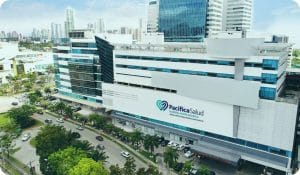
Panama has a sound healthcare system, particularly in the private sector. Private hospitals in Panama City and David, including Hospital Punta Pacífica and, Hospital Nacional and, Chiriqui Hospital, and Mae Lewis in David, deliver care of international quality for a fraction of what it costs in the U.S. Most doctors are U.S.-trained and bilingual.
Healthcare highlights:
Cost of insurance: A good plan will cost between $100 and $400 a month, depending on your age and coverage needs.
Pay-as-you-go: In addition to the expats who don’t get insurance at all, some pay cash—a visit to a doctor usually costs $15-$40.
Medical tourism: With lower costs and high quality of care, Panama has become a hub for dental work, cosmetic surgery, and even complex procedures such as joint replacements or heart surgery.
Public hospitals are very cheap but may have long wait times and less English-speaking staff. They are also available to legal residents and can be an emergency safety net.
Language Barrier
The official language is Spanish, and although many Panamanians speak English in the business and tourism sectors, finding English speakers outside of major towns and cities is less likely.
For expats living in less cosmopolitan or high-density expat locations of the country, learning some Spanish isn’t just a mere practicality — it is also a sign of respect that can open doors to friendships, community inclusion, and smoother day-to-day living.
You have many, many options to learn/improve your Spanish:
- Local language schools and private tutors
- Online classes and apps (such as Duolingo or Rosetta Stone)
- Community interaction and speaking with locals
The more you give, the more fulfilling your integration will be and the more successful your move to Panama will be.
Banking and Finances
Panama’s banks are modern, with complete services like online banking and bill paying that you are used to. However, this can create difficulties for foreigners looking to bank in Panama—especially if they don’t have permanent residency.
For opening a local bank account, you will generally need:
- Valid passport
- Second ID (i.e., driver’s license)
- A resident card or letter from your lawyer stating that you are in the process.
- Letters of reference from your local bank back home
- Proof of income
- Some banks require a place of residence
You’ll have to sit down for a face-to-face interview, and the whole process can take up a couple of days (or even weeks) of your time. Some expats decide to keep foreign accounts and draw cash locally from ATMs until they have residency or a local financial connection.
 Safety and Stability
Panama has a lower crime rate and is one of the safest Latin American countries. Violent crime is rare in the areas where expats live, but it can happen. However, petty theft and crimes of opportunity can still occur in crowded places or on public transport.
Safe practices include:
- Don’t flaunt your wealth in public.
- Secure your home with security lighting, cameras, and proper protection on windows and doors.
- In the cities, use ride-sharing services like Uber.
- Know your neighborhoods, especially in Panama City and David, and avoid the bad areas.
Excluding a few isolated instances , most expats generally feel very safe in Panama. Panama has stability through a professional police force, a military-free constitution, and an economy that encourages foreign investment and collaboration.
Culture and Lifestyle
Residents are warm, family-oriented, and certain of their country. Their culture mixes Latin American, Afro-Caribbean, and Indigenous traditions, which contributes to the city’s lively social scene, which is brimming with festivals, music, and local customs.
Things move slowly in life, which is fine if you are looking for lower stress but frustrating if you are used to being punctual and bureaucracy-free.
Final Thoughts
Panama isn’t paradise for everyone, but for many expats, a move to Panama will start an exciting new chapter in your life. It offers the right amount of comfort, the right amount of adventure, and the right price point. Do some research, speak to locals and other expats, and most importantly, visit the country before making a decision to move permanently.
Are you considering a move to Panama? It might just be the perfect blend of opportunity and peace you’ve been searching for—a place where you can build a fresh start, enjoy a slower pace, and still chase your dreams.