Is Panama a Good Place to Retire?
Last Updated on May 29, 2026 by Retire in Panama
Some individuals become excited about Panama after experiencing just one cool and fresh morning in Boquete. Some others see retirement as living in Panama City, where modern-day hospitals, high-rise condos, and direct flights to the US make life easier for them. The better question is not just whether Panama is a good place to retire, but for what type of retiree, budget and climate preference, everyday lifestyle, etc.
Many retirement decisions are either made right or wrong here. While Panama can be a great fit, it is not for everyone. If your priority is low-cost living, residency options, established expat communities, and a choice of climates in a small place, Panama is worth serious consideration. If you expect everything to be the same way it is back home, and cannot deal with cultural differences and slower processes, you should take a closer look before moving.
 Is Panama a good place for North Americans to retire?
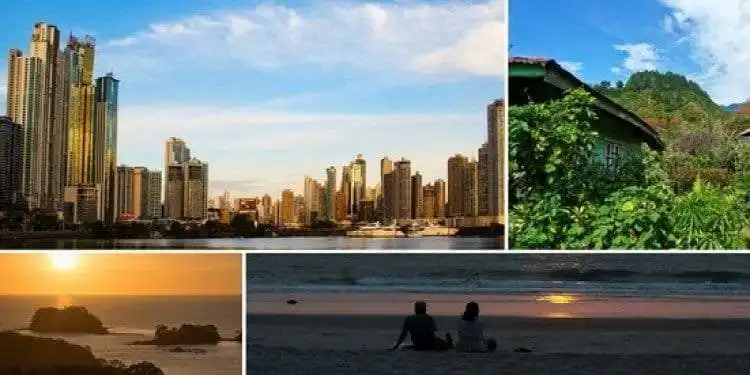
Many Americans and Canadians effectively say ‘yes’. Panama ticks a number of the boxes that matter in retirement. It is relatively close to North America, with over 16 daily direct flights to Panama City. Furthermore, it has good, private healthcare. Finally, it has a variety of places to live in. You can retire in the mountains for the fresh mountain air. Alternatively, you can retire in the city for convenience. Or you can retire at the beach for sun, sand, and surf.
It also offers flexibility that many retirees do not expect until they visit. You do not have to choose one type of retirement. You are selecting a lifestyle region. Panama City has an international feel. Boquete is appealing to those looking for spring-like weather and a strong expat presence—people who prefer space, scenery, and tranquility flock to the Chiriquí Highlands. Living in coastal towns can offer a slower pace, though services and infrastructure can vary significantly from town to town.
This diversity is important because retirement is personal. One couple may want to live near a hospital or medical facility and dining options. Another may wish to have a garden, mountain views, and a lower monthly budget. Panama can serve both, but generally not in the same place.
The biggest reasons retirees pick Panama are:
Many are drawn to moving to another country solely because of the cost of living, but that cannot be the only reason. Yes, many retirees find they can live comfortably in Panama for less than they would in much of the US or Canada. Domestic help, dining out, utilities, insurance, various services, and housing in most regions are cheaper. Your savings depend heavily on your location and your lifestyle.
A luxury condo in a prime sector of Panama City won’t feel cheap. US brand-name items, particularly groceries, have a way of surprising individuals, too. Conversely, retirees who rent modestly, buy local produce, and move to a place that suits their budget often find Panama affordable.
Other people consider Panama because of its access to health care. The private healthcare system in Panama City and David is a strong point for many expats. Expenses are often lower than in America, and many physicians are bilingual. Access to it varies from place to place. Living in a remote beach town may require additional travel for experts, imaging, or specialized care. It’s no different than living in rural North America. If healthcare is high on your priority list, choosing a location is more than a lifestyle choice.
Panama offers tangible benefits for retirees who do not want to feel isolated from their families. Traveling to and from the USA is easier than traveling to many other overseas retirement locations. Americans do not have to worry about exchange rates because the US dollar is accepted here.
The compromises you ought to be aware of.
If you are asking whether Panama is a good place to retire, there are downsides.
Bureaucracy can become a hassle. It takes time to set up residency, banking, insurance, property transactions, and even services. Processes may vary. Depending on your office, the professional helping you, and when you’re doing it, the requirements may be different.
In addition, not every area of Panama is equally easy for a foreigner to settle in. Certain communities are very expat-friendly and have well-developed support networks. While other options may be beautiful, they can be less practical if you’re still learning the country and the Spanish language.
In Panama, climate does not mean one thing. Some people hear ‘tropics’ and think of unending warmth. There’s more to the story than this. Panama has hot coastal areas, humid lowlands, and cool mountain regions. The rainy season impacts daily life more than many newcomers expect. For most individuals, this does not pose an issue.
The challenge is emotional, too. Retiring abroad can be exhilarating, but it also means losing familiar systems. You might miss family cycles, familiar shops, predictable service, or the state of knowing precisely how things operate. This change feels real, even if you are happy with your decision.
 The cost of living in Panama varies depending on your lifestyle and where you live.
One significant mistake retirees make is inquiring about the national average. Panama is so diverse that something like that isn’t very useful. The cost of living is more regional than it is national.
Panama City in general costs more, especially in popular neighborhoods with modern amenities. As a result, you usually get access to better healthcare, more places to eat and shop, better infrastructure, and better transport. For certain retirees, that exchange is priceless.
Depending on the type of home you want, Boquete and the Chiriquí Highlands can offer better value. However, in some expat-heavy areas, prices have risen, and the closer you want to live to Bajo Boquete, the more you will pay. Many retirees enjoy the climate and community feel. Coastal areas may be affordable or surprisingly costly, depending on their level of development and distance from main services. If you want to be on the beach in a high-rise in an expat community, you will pay a lot more than if you were in a local community beachside town.
Your personal lifestyle is equally important as geography. Someone who cooks at home, strategically rents, and doesn’t need imported products can live at a different level than someone who wants city living, frequent travel, and an American-style consumption pattern.
Healthcare, protection, safety, and daily comfort.
It’s easy to see why retirees often decide where to retire based on health services. If you are experiencing medical problems, or you are older and planning for the future, your access to specialists, hospitals, and labs should be included in your planning from the start, not sorted out later.
Just like in the US, safety levels differ from neighborhood to neighborhood and region to region. Panama is very comfortable for most retirees who use normal common sense and choose the community wisely. However, general comments about safety don’t add much value. It is better to evaluate specific areas than to evaluate the country as a whole.
Our daily comfort is made up of little things that become the big things over time, like road conditions and walkability. Is the Internet reliable? Is power and water reliable? Problems with power or water are very localized, and you need to do your research with reliable people when selecting your area. Or if you are in a known problem area, make sure your home has backup power and water. A certain location can be beautiful in a one-week vacation, whereas it may not be convenient to live in full-time.
There are many Panama retirement destinations, but they are not all the same.
This is why guided relocation tours are extremely important. Comparing countries online is easy using broad, brute-force rules of thumb. Rather than general county comparisons, a more helpful approach is to be on the ground in Panama with experts guiding you every step of the way.
Consequently, the answer to is Panama is a good place to retire will always begin with a visit. An even better option is to start with a relocation tour rather than a vacation. Retire in Panama believes the most important difference is seeing the country through a realistic lens, not just its scenery.
So, is Panama a good place to retire?.
For many people, it is yes. You can enjoy a better lifestyle with less stress, attractive residency options, high-quality private healthcare, and many other amenities hard to find under one roof in Panama. However, the strongest reason to retire in Panama is not its low cost or affordability. You can sketch a retirement here that better aligns with your priorities than back home.
If you choose the right area, get ready for the practicalities, and test your assumptions before you move, Panama is a good place to retire. Those who do better put first-hand experience in place of fantasy most of the time.
If you’re considering Panama, treat yourself to a clear view of it. Most smart decisions about transitions into retirement begin long before that actual move. Start by asking honest questions. Consult with someone local and spend enough time on the ground to visualize what an average day would be like.
Oscar, Megan, & Rod
Retire in Panama Tours
Helping You Call Panama Home!