Moving to Panama: A Quick Guide for Expats
Last Updated on February 6, 2026 by Retire in Panama
Are you thinking of moving to Panama as an expat? You aren’t alone. In recent years, Panama has become a popular destination for expats from the United States and Canada, as well as from other parts of the world. If you are retiring, working remotely, or looking to invest, there are many options for you in Panama. We will go over all the essentials you should know before moving to Panama, from where to live to the cost of living and everything in between. Additionally, include information about visa types, residency requirements, and legal considerations to help you plan your move confidently.
Why Move to Panama?
One of the reasons why Panama is such a popular destination for expats is that it offers the perfect balance of affordability and ease of living. They use American dollars as currency, have a territorial tax system, provide international banking options, and have a healthcare system among the best in the region—another reason people like moving to Panama is the country’s political and economic stability. For many, it’s comforting to know they are moving to a country considered politically stable compared to others in Central America.
The Tocumen International Airport in Panama City is a huge hub for international travel, making it very convenient for traveling back to North America, Europe, or other parts of Central America. In fact, you can fly directly to dozens of destinations around the world. Additionally, the variety of climates in Panama makes it easy to find the perfect climate for your lifestyle. The country is tropical, but because of its varied elevations, there are many microclimates to choose from. For example, if you prefer to live in a cooler climate, consider moving to the mountains. If you prefer warmer weather and living by the beach, there are plenty of coastal towns to choose from.
Where to Live in Panama
Now that you have decided to move to Panama, you need to determine where you want to live. There are many expat-friendly communities to choose from, depending on your lifestyle and preferences. Here are some of the most popular places to live in Panama:
For City Lovers
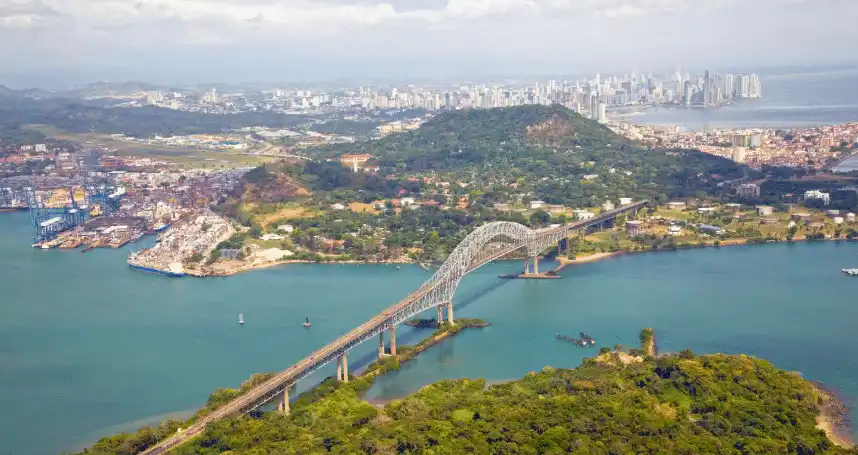
If you love city living, Panama City is for you. Similar to a North American city, Panama City offers all the conveniences you need, plus a cosmopolitan vibe. Panama City is much like any other big city, with many of the same comforts and amenities you expect from a large city. Many expats compare it favorably to cities back home in the US and Canada, but with a lower cost of living. Some popular neighborhoods in the city include:
Costa del Este: This planned neighborhood offers modern amenities, sidewalks, a beachwalk, and is well-organized. This is a great place to live if you have kids, as there are excellent international schools nearby.
Punta Pacifica & Punta Paitilla: These two neighborhoods are great if you like the beach and want to be close to amenities like restaurants, shops, and hospitals.
El Cangrejo: This neighborhood has a younger crowd and is within walking distance to many restaurants, cafes, and bars.
San Francisco: A very central neighborhood with a mix of old and new. You can find a variety of restaurants, shops, and amenities here. This is a great place to live if you want to experience the “real” Panama.
Best for: Working professionals, digital nomads, retirees who want to be close to amenities, and those looking for a more urban lifestyle.
 For Mountain Dwellers
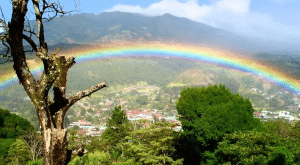
If you love nature and cooler weather, consider moving to Boquete in the Chiriqui highlands.
Boquete is located about 4,000 feet above sea level and has spring-like weather year-round. Many expats are looking for a cooler climate, with access to a beach in an hour or two. Boquete offers just that. With daytime highs between 75 and 80 degrees and nighttime lows in the mid-60s every day of the year, expats love it here. Good access to medical, with many clinics and labs, and two private hospitals in David, just 30 minutes away.
Volcán: Even cooler than Boquete, it offers a quiet, small-town lifestyle in the Chiriquí Highlands near Volcán Barú. Known for fertile farmland and fresh produce, the area attracts those seeking peace, natural beauty, and a lower cost of living. Basic services are available locally, with larger shopping and medical facilities about 1 hour away in David.
Valle de Anton: Offers a peaceful mountain lifestyle inside an extinct volcano, known for its cooler climate and beautiful natural surroundings. The town has a relaxed, small-community feel with a popular market, local restaurants, hiking trails, waterfalls, and hot springs. While quieter than city or beach areas, Valle provides essential services and a welcoming atmosphere, making it attractive for those seeking nature and tranquility.
Best for: Retirees, those who love the outdoors and nature, and anyone looking for cooler temperatures.
For Beach Lovers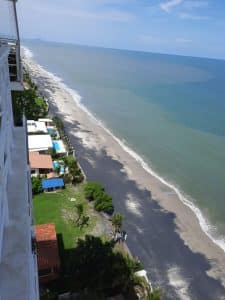
If you love the beach, there are many great places to live on both the Pacific and Caribbean sides. Here are a few of our favorites:
Coronado: One of the most popular beach communities for expats. A gated community with a golf course and the beach, restaurants, and shopping, and medical just minutes away, you really have everything you need here.
Nuevo Gorgona: A relaxed beach lifestyle just over an hour from Panama City. The community is known for its wide sandy beaches, ocean views, and laid-back atmosphere. With nearby shopping, dining, and medical services in Coronado and Chame, it provides a quieter, often more affordable option for those seeking convenient coastal living.
Playa Blanca & San Carlos: If you are looking for something more laid back, consider these two beach communities. They are a bit further away from Panama City, but offer a peaceful place to live.
Bocas del Toro: Located on the Caribbean side of the country, Bocas del Toro is a great place to live if you love water sports. The crystal-clear Caribbean Sea offers excellent diving, surfing, and snorkeling opportunities.
Pedasí: This charming town on the Azuero Peninsula is ideal for those who love fishing and spending time outdoors. You can catch a glimpse of whales and dolphins if you time your visit right.
Best for: Retirees, those who love the beach and water sports, and anyone looking for a relaxed pace of life.
 For Budget-Friendly Options
If you are moving to Panama on a budget, consider living in:
David: While many expats overlook the city, it offers excellent value for the money. With a large hospital, shopping mall, and regional airport, you really have everything you need to live comfortably. Plus, the cost of living is generally lower than in many other places in the country. The city has a more authentic feel, with fewer tourists, and is close to both the mountains and the beach.
Chitré: This is a nice-sized town, large enough to have everything you need: shopping, dining, medical facilities, etc., but small enough to be friendly. Overall, Chitré is a nice choice if you’re looking for an authentic Panama experience.
Santiago: Will give you a more “real” experience in Panama. This city, the capital of Veraguas Province, has fewer expats, a slower pace of life, and lower prices. You’ll find all of the modern conveniences here, including good hospitals, shopping, and restaurants. And you’re not far from the beach or the countryside.
Penonome: A relaxed mid-sized town in Coclé Province offering an authentic Panamanian lifestyle with modern conveniences. About two hours from Panama City and less than an hour from Pacific beaches, it provides good shopping, healthcare, and a friendly community. With a warm climate and lower cost of living, it’s an excellent choice for expats and retirees seeking a quieter pace of life.
Best for: Those on a budget, long-term expats looking for convenience and an authentic experience, and anyone who wants to live near both the mountains and the beach.
For Families
If you are moving to Panama with kids, there are a few places to consider. Safety, access to good schools, and healthcare are all important when deciding where to live with a family. Here are a few of our favorite places for families:
Costa del Este, Panama City: With several international schools in the area, this is an excellent place for families. Plus, it’s safe and has many parks and green spaces.
Clayton: This neighborhood in Panama City was formerly part of the US Canal Zone and has many parks and green spaces. There are several international schools nearby.
Boquete: This mountain town is a great place to live with kids. The town is very safe, and there are several private schools in the area.
 Healthcare in Panama
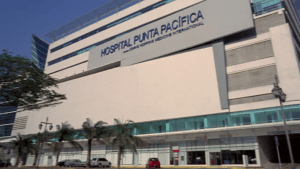
Panama has an excellent private healthcare system and is considered to be among the best in Central America. In fact, many of the doctors in Panama received their training in the US. Plus, many speak English, making it easy for expats to navigate the healthcare system. Some of the best private hospitals in the country are in Panama City. Some are affiliated with top hospitals in the US.
The cost of healthcare is generally lower in Panama than it is in the US. Office visits and tests are very affordable if you choose to pay out of pocket. Plus, there are excellent health insurance options for those who live in Panama. Many expats choose to purchase international health insurance, while others pay as they go, depending on their needs.
Banking and Finances in Panama
The official currency in Panama is the US dollar, although you can also use the Panamanian Balboa. Because the Balboa is pegged to the US dollar, you do not need to exchange your money if you are coming from the US. To open a bank account in Panama, you should have started the process of getting your residency visa and show that you have sufficient funds in your bank account. Although banking regulations are getting stricter and stricter, a good lawyer can help you through the process.
It’s a good idea to have bank accounts in both Panama and your home country, as it will make doing business in both places easier.
 Language and Culture
While Spanish is the official language of Panama, English is somewhat spoken throughout the country, particularly among businesspeople, medical professionals, and those in the service industry. Although you can get by without speaking much Spanish, we recommend you learn at least the basics, as it will make your life much easier. Panamanians are very friendly and welcoming to foreigners. With a strong emphasis on family, expats will find it’s easy to make friends and fit in.
There are many festivals and holidays throughout the year that let you experience the local culture. One of the best things about moving to Panama is that you can have a First World lifestyle at Latin American prices. The cost of living can vary greatly depending on where you live and the type of lifestyle you lead. As you can imagine, living in Panama City will cost more than living in Boquete or Pedasí.
Generally speaking, the cost of living is lower than what you would expect in the US. With lower housing costs, utility bills, and domestic help, many expats find they can live the same lifestyle, if not an even better one, in Panama. In this article, we went over the essentials you need to know if you are considering a move to Panama. With its warm climate, beautiful landscapes, and modern infrastructure, it’s the perfect place to live for many expats.
Oscar, Megan, & Rod
Retire in Panama Tours
Helping You Call Panama Home!