How to Retire in Panama From the US and Canada
Last Updated on October 7, 2026 by Retire in Panama
We know that if you are reading this article, you are probably looking for something a bit more concrete than the usual “beaches, rainforests, and cost of living” articles. You are probably also well past the “move to a tropical island in your retirement and live the dream” articles. You want some nitty-gritty. You want to know how to retire in Panama from the US or Canada.
So here is what you need to know. 
When you think about how to retire in Panama, you need to realize that it is not a single decision. There are many aspects to consider, including but not limited to: where you will live, how you will get a visa, how you will fund your healthcare, how you will pay your taxes, how you will do your banking, how you will get around, and of course, how you will live your life. Panama offers many different solutions for all of these things, so there are many different ways to retire in Panama from the US or Canada. But the most important thing to know is that Panama is a good choice for many North Americans because it is relatively close, it has modern healthcare, more like you are used to, there are many established communities of other North American expats, there are many different climates and locations to choose from, and it is generally easy to get a visa to live there. But that does not mean it is for everyone. Here is how to figure out how to retire in Panama in a way that is right for you.
For Canadians and US citizens, Panama has a special relationship. They are the only two countries that Panama allows visitors from to stay 180 days, as opposed to 90 days for most other countries. And no visa is required to enter as a tourist. Also, Immigration in Panama is very knowledgeable on how US Social Security and veterans’ benefits work, and how Canada’s Canada Pension and Old Age Pension work, so the Pensionado Visa is really simple for citizens of the US and Canada.
Retire In | Move to Panama
Small Group Tours & Panama Digital Relocation Guide
The first thing you need to know is not to rush. Yes, there are probably a lot of things that you want to get away from in your life right now, and the thought of escaping to a tropical paradise can be very enticing. But if you don’t take the time to figure out the details and make real decisions about how to do this, you will likely make some costly mistakes. We see it time and time again. People try to solve the problem by sitting in front of a computer and Googling “how to retire in Panama from the US or “how to retire in Panama from Canada”. While that can be a good way to start, there are many details you will not be able to figure out from your laptop. There is a lot of outdated and incorrect information online that can get you in trouble.
So, what can you do instead? Here are a few things to consider when you are thinking about how to retire in Panama from the US or Canada.
- First thing you need to do is define what you are looking for in your retirement.
- Second thing you need to do is figure out where in Panama that vision fits. Third, you need to figure out how to get a visa.
- Fourth thing you need to do is figure out your finances.
- Fifth, you need to figure out all of the logistics.
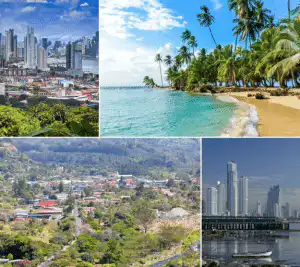 One thing you will need to consider is where you will live. There are many different places to live in Panama, and they are all very different. Some of our favorites include Panama City, Boquete, Volcan, Puerto Armuelles, and Coronado. There are many more also. Each of these places has its own unique character, advantages, and disadvantages. For example, some people choose to live in Panama City because they want the city vibe, access to great private hospitals, great shopping, and direct flights back to the US. Some people choose to live in Boquete because they want cool weather, great mountain views, and a slow pace of life. Some people choose to live in Volcan because they want the same things as in Boquete, but at a lower cost. Some people choose to live in Puerto Armuelles because they want to be on the beach, for great surfing, and in a place with one of the lowest costs of living for beach life in Panama. Some people choose to live in Coronado because they want to be on the beach, access great fishing and diving, and enjoy a laid-back island vibe. The point is, there are many different options for how to retire in Panama, depending on what you are looking for.
Another thing you will need to consider when planning to move to Panama from the US or Canada is the cost of living. Yes, one of the things that many people like about retiring in Panama is that it can be less expensive than many places in the US. But that does not mean it is cheap across the board. The cost of different things in Panama varies widely depending on where you are and what you choose to buy. For example, a brand new luxury condo in the middle of Panama City will be very expensive. A modest little house between Boquete and David will be much less expensive. Eating at an expensive restaurant in Panama City will be expensive. Eating at a Panamanian fonda will be very inexpensive. Shopping at local markets will be much cheaper than at major grocery stores. It is the same with everything. The point is, when you think about how to retire in Panama from the US or Canada, you should not just think about cost. You should think about what kind of lifestyle you want, and what that will cost. Not just what the cost of living is in general.
There are a few other things you will need to consider. One is access to good hospitals. All of the places we mentioned above have access to good hospitals, but some are much closer than others. Another is how much you want to drive. Some places are very walkable. Others require a car. Another is whether you want to be part of a large community of English-speaking expats. Some places have a large community of English-speaking expats. Others do not. Another is how important it is to you to be close to an airport. Some places are very close to an airport. Others are not. Another is how often you will want to travel back to the US. Some places have direct flights. Others do not. The point is, there are a lot of things to consider when you think about how to retire in Panama from the US or Canada. Yes, cost is one of them. But it is not the only thing. A location that’s charming for a vacation might not be practical for full-time living.
1. Residency is one of the first real steps
When asking how to retire in Panama from the US or Canada, you’re also asking how to get legal residency.
Panama has been popular among foreign retirees in part because it offers established pathways to residency. Still, the requirements can change, and the best choice depends on your financial situation and personal circumstances. Some qualify based on retirement income. Others qualify through investment-based programs or other legal categories that better suit their situation.
This is where generalized internet advice can be risky. Residency is not an area you want to navigate with outdated advice from forums or a friend-of-a-friend story from someone who moved five years ago, or with misinformation from ChatGPT and other AI services that scan the internet, treating wrong or outdated information with the same weight as current, correct information. You will need up-to-date information from a qualified Panama lawyer who has experience handling residency for people from the USA or Canada, and who can walk you through the process of getting the correct papers for your Visa and having them properly authenticated before arriving in Panama. You do not want to have to make a trip home, as you forgot something.
2. Healthcare is often better than you expect
For many North Americans, healthcare is the factor that puts Panama in the “maybe” pile or takes it out of consideration altogether.
The good news is that Panama has excellent private healthcare, particularly in and around Panama City, with modern facilities and many doctors trained abroad. Other areas of the country also have good access to care. However, the availability of specialists and hospital facilities may be more limited.
That’s a trade-off that matters. If you want the absolute best access to specialists and larger hospital facilities, you will be looking at living close to Panama City and David, where the best private hospitals are. If you prefer a mountain town or a smaller beachside community, you might be fine with local options for routine care and a plan to go to Panama City or David for anything more serious.
Insurance is something to plan for as well. Depending on your age and current health condition, you should consider a good health insurance plan to use the private hospital system. There’s no one-size-fits-all solution. The right combination for you will depend on whether you expect to get most of your care in Panama, and how much risk you’re comfortable taking on. The average cost of an international insurance plan that will fully cover you in Panama, with a small annual deductible, for a 65-year-old is $300 per month. A co-pay local plan will run you less than 12 of that.
 3. Banking, money movement, and taxes require advance planning
This is the stuff that trips people up. Moving to Panama does not mean you can forget your tax obligations back home. You may need additional paperwork depending on whether you bank in Panama or own a home there. Canadians have to consider staying as residents of Canada or filing as non-residents, if that works for you.
Also, you will need to consider opening a bank account in Panama. It will be a way for you to pay rent and utilities and avoid any foreign banking fees you may incur at your home while you are out of the country.
Taxes are an area where you want confidence to come from facts rather than assumptions. Panama has different tax rules from the US or Canada, and US citizens will still have tax filing requirements even after moving abroad. This doesn’t necessarily mean you’ll pay more. Panama does not tax foreign income, so you will not owe Panama any taxes unless you are working here. Still, it means you should consult a qualified tax professional with experience in expats matters before you make a move.
4. Rent before you buy
Investing in property in Panama can be a good choice for retirees. Buying too soon is not. In most cases, the best strategy is to rent first and get to know the area as a local or as a tourist. Places can feel very different as you start to cope with day-to-day logistics, commute times, rain, noise, and local weather. What seemed ideal for a week may not feel so ideal after three months.
Renting first also allows you to compare locations. Maybe you thought you wanted to live right on the beach, then discovered you prefer the cooler weather and a more consistent expat community in the mountains. Maybe you thought you wanted peace in the countryside, then realized you’d prefer to be closer to medical care and other services.
A little patience in this regard can save you a lot of headaches (and money) down the line.
5. Come with the right mindset.
A fact-finding visit should answer practical questions, not simply reaffirm that Panama is a beautiful place. When you visit, look at housing in your price range. Visit the hospitals and clinics. Drive the same streets you would in daily life. Spend time in supermarkets, pharmacies, and local shopping districts. Meet with service providers. Take note of the distances between things. If reliable internet is crucial to you, ask pointed questions about it. If you have mobility issues, pay attention to hills, sidewalks, and stairs.
This is one reason why relocation-specific tours can be so important. A well-crafted experience will give you exposure to multiple lifestyle areas, practical information, and direct connections with people who have been through the process on the ground. If you’re interested in a hands-on assessment like this, Retire in Panama offers guided tours designed to help North Americans evaluate Panama through the lens of relocation, not tourism.
6. Be emotionally prepared
Sometimes, in the rush to focus on paperwork and finances, people forget to consider whether they are emotionally prepared to make the leap.
Retiring in Panama can be a wonderful adventure and a freeing experience. It can also be disorienting in the beginning. You may miss routine. You may miss family. You may miss certain products. You may miss the comfort of knowing how everything works. That’s okay. That doesn’t mean you made a mistake. That means you made a change.
Transitions go more smoothly when people arrive with realistic expectations. Panama doesn’t have to be perfect to be right for you. You need a clear sense of your priorities, a willingness to adapt to a new environment, and the right support from experienced people who can help you avoid unnecessary errors.
In most cases, the best course of action is not to rush to a decision. It’s to get a clear view of what Panama has to offer, ask better questions, and allow the country to show you where (and if) it might be the right fit for your future.
No doubt, the best way to do all the above is to join one of our Panama relocation tours. In just 7 days, you will discover all you need to know about Panama to make an informed decision if it is right for you.
Retire In | Move to Panama
Small Group Tours & Panama Digital Relocation Guide
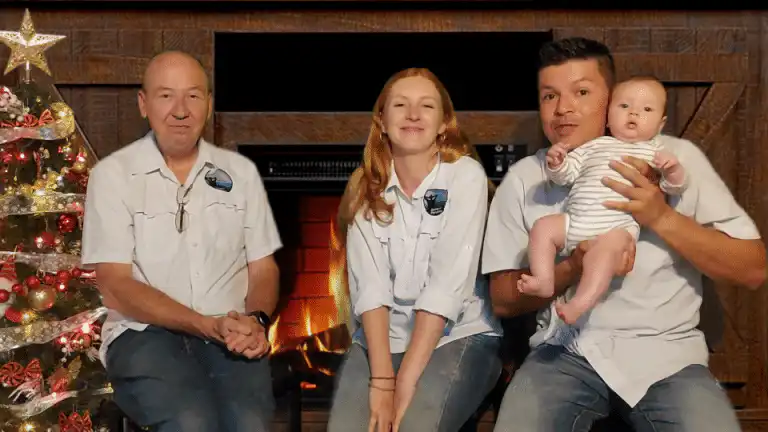
Oscar, Megan, & Rod
Retire in Panama Tours
Helping You Call Panama Home!